

Pastoral Counselling
Pastoral counselling integrates evidence-based therapy with respect for your faith. Spiritual and emotional care belong in the same room; you should not have to choose.
Pastoral Counselling
A short 15-minute call to discuss your goals, no commitment.
What is pastoral counselling?
Pastoral counselling integrates evidence-based therapy with respect for your faith, so your mental health and spiritual life are cared for together. It is for anyone who wants their faith taken seriously, including those who are questioning or hurting. Introspectus Counselling offers pastoral counselling with Sean Lewis, a Canadian Certified Counsellor, in Colwood, BC and online across BC.

What makes pastoral counselling different?
You have sat across from a counsellor before and felt the moment you mentioned your faith, something shifted. A polite nod. A quiet steering away. The sense that the most important part of your life was being treated as a symptom to manage.
Pastoral counselling starts somewhere else. Your faith is not a problem to work around. It is part of who you are, and it belongs in the room.
Pastoral counselling, sometimes called Christian counselling or faith-based therapy, is the integration of evidence-based therapy with spiritual and theological understanding. You get real clinical skill, the same approaches used in any good therapy, alongside a counsellor who speaks the language of faith and takes it seriously.
It is not a substitute for clinical care, and it is not a Bible study. It holds both at once: how we heal and why we suffer, the psychological and the spiritual, without asking you to choose between them.
You do not have to be certain to come. Many people arrive weary, questioning, or hurt by their experience of church. That is welcome here.
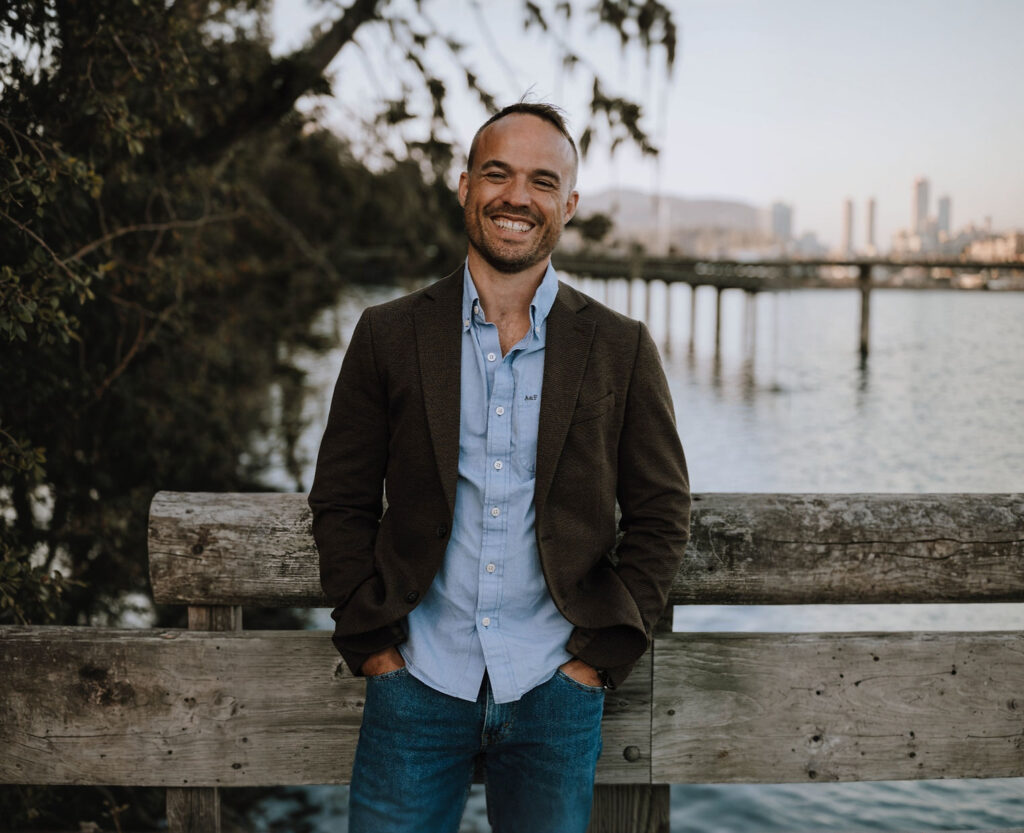
How does pastoral counselling work?
The work is therapy first. We use the same evidence-based approaches I use with any client, including Acceptance and Commitment Therapy and cognitive and narrative work, paced to what you bring. Read more about how I use ACT.
What is different is that your faith is part of the map, not off it. Research on religiously integrated therapy, where a person’s beliefs and values are woven into the work rather than set aside, finds it is as effective as standard therapy for psychological distress and better for spiritual well-being.
In practice, that might mean drawing on Scripture or prayer when it helps you, sitting honestly with doubt when that is where you are, or simply not having to explain why your faith matters before the real work can begin.

What can pastoral counselling help with?
Faith does not make you immune to anxiety, grief, or hard seasons. Pastoral counselling helps with the same struggles as any therapy, with room for the spiritual layer underneath.
- Spiritual dryness and distance. When God feels far away and prayer has gone quiet, we explore what is underneath without rushing you back to certainty. More on spiritual and existential exploration.
- Church hurt. Being wounded by people or a community you trusted is real grief. We hold it honestly, with room to stay rooted in your faith as you heal. More on grief and loss.
- Religious intrusive thoughts and scrupulosity. Unwanted blasphemous or fearful thoughts, and the compulsive checking they drive, respond well to therapy that understands both the faith and the OCD. More on intrusive thoughts and rumination.
- Anxiety, depression, and life transitions, held in a way that honours your beliefs instead of working around them. More on anxiety counselling.
Ready to talk? A 15-minute conversation, no obligation.

Why train in both theology and therapy?
Most therapists are not trained in faith, and most faith leaders are not trained in clinical care. Usually you have to pick one.
I hold both. Alongside my clinical training as a Canadian Certified Counsellor, I earned a Master of Divinity from Carey Theological College, and my background includes pastoral ministry. That means you do not have to translate your spiritual life into terms a secular therapist can follow, or wonder whether the clinical depth is there.
Surveys of clients consistently find that many want their faith addressed in therapy and rarely get the chance. Pastoral counselling is built for exactly that.
What does a session look like?
There is no script, and no pressure to perform your faith. A first session is about understanding what brought you here and whether we are a good fit. From there the work is practical and paced to you, with faith coming in as much or as little as you want it to. Sessions are 50 minutes. You set the pace.
Frequently asked questions
Can therapy and faith coexist?
Yes, and they often work best together. Religiously integrated therapy is as effective as standard therapy for psychological distress and better for spiritual well-being. You do not have to choose between clinical care and your beliefs.
Will you judge my faith or push your own views?
No. The work follows your beliefs, not mine. Whether you are devout, doubting, or somewhere in between, my job is to help you, not to convert or correct you.
Do I have to be religious to come?
No. Pastoral counselling is for anyone who wants their spiritual life taken seriously, including those who are questioning or unsure where they stand. You set the terms.
What if I am questioning or hurting in my faith?
That is welcome. Doubt, spiritual dryness, and church hurt are not failures of faith; they are part of many people's spiritual lives. We sit with them honestly, without rushing you anywhere.
Looking for a Christian counsellor in Victoria, BC?
I am Sean Lewis, a Canadian Certified Counsellor (CCC) with a Master of Divinity, practising in Colwood, in Greater Victoria, and online across British Columbia. If you have been looking for someone who understands both the clinical and the spiritual, this is built for you. Book a free 15-minute consultation and we can talk it through. You can also explore spiritual and existential exploration or read more about me.
References
- Captari, L. E., Hook, J. N., Hoyt, W., Davis, D. E., McElroy-Heltzel, S. E., & Worthington, E. L. (2018). Integrating clients’ religion and spirituality within psychotherapy: A comprehensive meta-analysis. Journal of Clinical Psychology, 74(11), 1938-1951. https://doi.org/10.1002/jclp.22681
- Koenig, H. G., Pearce, M. J., Nelson, B., Shaw, S. F., Robins, C. J., Daher, N. S., et al. (2015). Religious vs. conventional cognitive behavioral therapy for major depression in persons with chronic medical illness: A pilot randomized trial. Journal of Nervous and Mental Disease, 203(4), 243-251. https://doi.org/10.1097/NMD.0000000000000273
- Vieten, C., & Lukoff, D. (2022). Spiritual and religious competencies in psychology. American Psychologist, 77(1), 26-38. https://doi.org/10.1037/amp0000821
- Pargament, K. I. (2007). Spiritually integrated psychotherapy: Understanding and addressing the sacred. Guilford Press.